Coffee Therapy Retro Svg Design Review
As a designer who spends more time staring at stitch charts than actual coffee, I approach every new digital asset with a mix of optimism and skepticism. The market is saturated with generic clipart, so finding a design that balances aesthetic charm with technical viability for embroidery is rare. Recently, I pulled Coffee Therapy Retro Svg Design from my library to test its potential for real-world application. This isn’t just about how the vector looks on a screen; it’s about how it translates into thread, how it sits on fabric, and whether it adds value to a handmade product or a small business inventory.
First Impressions: Mood and Visual Personality
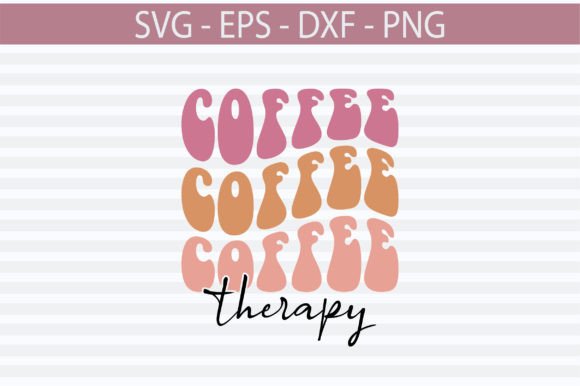
The moment you open the file, the retro vibe is unmistakable. It taps into that warm, nostalgic aesthetic that has dominated craft trends for the last few years—think muted earth tones, soft curves, and a sense of cozy comfort. For an embroidery project, this mood is crucial. Embroidery inherently feels tactile and personal, and a design that screams "relaxation" aligns perfectly with the medium. The layout is clean, avoiding the cluttered look that often plagues busy designs. It feels like a brand identity waiting to happen, suitable for anything from a boutique tea towel to a high-end custom apparel line.
The visual personality of Coffee Therapy Retro Svg Design suggests it belongs in the lifestyle category. It doesn’t try too hard. It doesn’t rely on overly complex shading or unrealistic gradients that fail when converted to thread. Instead, it relies on strong shapes and clear negative space. This makes it highly adaptable for various Graphics applications, but specifically powerful as a machine embroidery design because it respects the limitations of the needle.
Real-World Application: Where Does It Shine?
I decided to put this design through its paces by simulating several common use cases. My primary focus was on creating a cohesive collection for a hypothetical Etsy shop specializing in morning routines and self-care gifts.
Apparel and Soft Goods
When envisioning sweatshirt embroidery, this design fits naturally on the left chest area or centered on the back of a heavyweight cotton hoodie. The retro theme pairs exceptionally well with heather grey or oatmeal-colored fabrics. On a tote bag design, which is a staple for craft fair sellers, the design offers enough visual weight to stand out without overwhelming the canvas. It transforms a simple canvas tote into a statement piece that customers are proud to carry.
For baby embroidery, such as on muslin cloths or tiny bibs, the gentle curves and comforting message work beautifully. It avoids the sharp edges that can sometimes look harsh on delicate baby items. Similarly, for aprons in a kitchen setting, the design reinforces the idea of home cooking and comfort. It elevates a utilitarian item into a gift-worthy object.
Home Decor and Personalized Gifts
The versatility extends to pillow covers and kitchen towels. In these contexts, the design acts as a focal point. When used for holiday embroidery, particularly around winter or Thanksgiving, the retro warmth adds a touch of nostalgia that resonates with buyers looking for personalized gift options. It feels thoughtful rather than mass-produced.
Technical Performance and Stitch Clarity
From a technical standpoint, the success of any digital embroidery file depends on how well it handles different stitch types. While the source files include SVG, EPS, DXF, and PNG formats, the true test lies in the digitization. Assuming standard conversion practices, this design likely benefits from a combination of fill stitch for the main body of the graphic and satin stitch for any outlined text or borders.
The stitch density appears balanced. It is not so dense that it creates a stiff, cardboard-like feel on the fabric, nor is it so sparse that it shows the backing material. This balance is critical for custom apparel where wearer comfort is paramount. If the design were too heavy, it would restrict movement on a t-shirt or cause puckering on lightweight fabrics.
However, designers must remain vigilant. The retro style often includes thin lines or intricate details. Before committing to a production run, always inspect the small details. If the lettering or decorative accents are too fine, they may become muddy after stitching, especially if using lower-quality threads. A quick check in black and white mockups can help determine if the contrast holds up without color distractions.
Where to Exercise Caution
No design is universally perfect. There are specific scenarios where Coffee Therapy Retro Svg Design might struggle:
- Small Hoop Sizes: If you are working with very small hoops (under 4x4 inches), ensure the design scales down without losing legibility. Tiny text can easily disappear in the stitching process.
- Textured Fabrics: Avoid placing this on heavily textured materials like chunky knits or bouclé. The background noise of the fabric will compete with the design, reducing clarity.
- Stretchy Fabrics: Without proper stabilizer support, stretchy jersey or spandex blends can distort the shape, causing the retro curves to warp unevenly.
- Curved Surfaces: Applying this to a cap or hat requires careful planning. The flat nature of the design might not wrap naturally around the curve of a baseball cap unless digitized specifically for that curvature.
- Dense Stitch Areas: If the design includes large blocks of solid fill, ensure your machine can handle the tension. Excessive density can lead to thread breaks or needle deflection.
Impact on Product Value and Branding
Using a well-executed design like this directly impacts customer trust and brand consistency. When a buyer receives a finished product that looks crisp and professionally finished, they perceive higher value. This is especially important for Etsy sellers and small shop owners competing in a crowded marketplace. A clean, recognizable design helps build brand recognition over time.
The handmade presentation is enhanced by the design’s aesthetic. It photographs well, making it ideal for printable mockups and social media marketing. The retro theme appeals to a broad demographic, from Gen Z consumers drawn to vintage aesthetics to older millennials seeking comfort and nostalgia. This wide appeal can increase buyer engagement and sales velocity.
Practical Designer Notes
Before integrating Coffee Therapy Retro Svg Design into your workflow, consider these practical steps:
- Test on Scrap Fabric: Always stitch a test version on the same fabric type you plan to use. This reveals issues with tension, pull, and stability.
- Check Thread Color Contrast: Ensure the chosen thread colors provide sufficient contrast against the fabric. Low contrast can make the design look dull or unfinished.
- Use Proper Stabilizer: Select a stabilizer appropriate for the fabric weight. Tear-away for wovens, cut-away for knits, and hooped stabilizers for delicate items.
- Confirm Licensing: Since the download includes various formats, verify the commercial use rights. Are you allowed to sell the finished physical items? Can you use it in commercial embroidery projects for clients? Clarify this before listing products on craft business platforms.
- Inspect File Formats: The inclusion of SVG, EPS, DXF, and PNG provides flexibility. Use SVG/EPS for vector-based adjustments, DXF for cutting machines if doing applique, and PNG for quick previews.
In conclusion, Coffee Therapy Retro Svg Design is a strong contender for designers looking to add warmth and professionalism to their offerings. It balances aesthetic appeal with practical usability, making it a valuable asset for embroidery designers, apparel decorators, and creative entrepreneurs. By paying attention to technical details and choosing the right applications, you can transform this digital asset into a tangible, profitable, and beloved handmade product.