It’s Brave to Ask for Help Retro Svg
As a designer who spends half my life staring at stitch charts and the other half troubleshooting thread breaks, I approach every new digital asset with a mix of curiosity and skepticism. We have all seen the endless stream of SVGs flooding marketplaces like Etsy and Creative Market. Most are generic, poorly scaled, or lack the visual weight needed to translate well from a screen to fabric. That is why when I encountered It’s Brave to Ask for Help Retro Svg, I decided to put it through its paces before recommending it to my network of craft business owners and fellow designers.
This isn’t just another motivational quote file. It is a piece of design assets that carries a specific mood—one that balances vulnerability with strength. For those of us creating handmade products, personalized gifts, and custom apparel, the emotional resonance of a design is often what drives sales. But emotion doesn’t matter if the technical execution fails during the stitching process. Below is my honest review of how this design performs in real-world embroidery scenarios.
First Impressions: Mood and Visual Personality
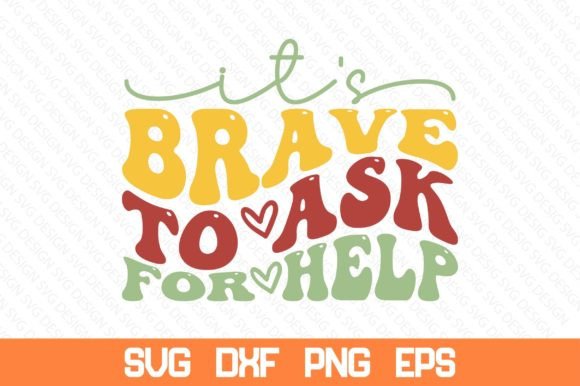
The moment you load the file into your vector software, whether that is Adobe Illustrator, Inkscape, or Silhouette Studio, the retro aesthetic jumps out. The typography suggests a vintage 70s or early 80s vibe, which has been incredibly popular in recent years for boutique branding and craft fair merchandise. The phrase itself, "It’s Brave to Ask for Help," strikes a chord. It moves away from the aggressive "Hustle Harder" mentality and taps into a growing cultural conversation about mental health and community support.
From a layout perspective, the design feels balanced. It does not rely on excessive clutter to make its point. This is crucial for embroidery because simplicity often translates to higher quality results. A clean layout allows the viewer to focus on the message and the texture of the thread rather than getting lost in tiny, hard-to-stitch details. The visual personality here is warm, inviting, and slightly nostalgic. It feels like something you would see on a well-loved tote bag at a local farmer’s market or embroidered on the chest of a cozy sweatshirt.
Real-World Application: Where Does It Fit?
I evaluated It’s Brave to Ask for Help Retro Svg across several potential product categories to see where it shines. Here is how I see it performing in actual production environments:
- Custom Apparel and Sweatshirts: This is perhaps the strongest use case. The retro font style pairs beautifully with heavyweight cotton blends. Imagine this embroidered on the back of a crewneck sweatshirt in a muted sage green or burnt orange. The design adds a layer of sophistication that plain print cannot match. It elevates the garment from basic merchandise to a statement piece suitable for small shop products or boutique branding.
- Tote Bags and Canvas Goods: For the busy Etsy seller, tote bags are a staple. This design works exceptionally well as a central chest placement or even as a vertical text block down the side of a canvas tote. The bold lines ensure legibility even after multiple washes. It appeals to professionals, students, and creatives who want their accessories to reflect their values.
- Baby Items and Nursery Decor: While the message is profound, it also resonates deeply with parents. Embroidering this on a baby blanket, a muslin cloth, or a nursery pillow cover creates a meaningful gift. The softness of the embroidery stitches complements the gentle nature of baby items. It serves as a reminder to new parents that they are not alone, making it a highly giftable item for baby showers.
- Holiday Gifts and Personalized Products: During the holiday season, people look for gifts with meaning. This design fits perfectly into the "thoughtful gift" category. Whether it is an apron for a home cook or a kitchen towel for a housewarming, the design adds a touch of humor and heart. It is versatile enough to be used for Christmas, Mother’s Day, or Teacher Appreciation Week.
Technical Performance and Stitching Considerations
Having the vector file is only half the battle. The true test lies in how it converts to machine embroidery. Since the product description mentions compatibility with various formats including DXF and EPS, you will likely need to digitize this yourself or use a pre-digitized version if available. Assuming you are working with the raw vectors, here are some critical notes for your embroidery project.
Stitch Density and Detail: Retro fonts can sometimes suffer from poor spacing if not designed carefully. When converting this to an embroidery file, pay close attention to the stitch density. You want to avoid overly dense fill stitches that might cause puckering, especially on lighter fabrics. A combination of satin stitch for the letter outlines and a light fill or running stitch for any decorative elements will likely yield the best results. If the design includes intricate curves, ensure your digitizer accounts for proper underlay to keep the fabric stable.
Fabric Choices: This design demands a stable base. It performs best on medium-weight fabrics like denim, canvas, or heavy cotton jersey. Avoid using it on thin, stretchy knits without a robust stabilizer, as the tension of the threads could distort the retro shape. Textured fabrics like bouclé or thick wool may hide the finer details of the lettering, so stick to smoother surfaces for maximum clarity.
Thread Colors: The retro theme invites a specific color palette. Think mustard yellows, dusty blues, terracotta oranges, and cream whites. High contrast is key for readability. If you are embroidering on dark fabric, use a bright, saturated thread color for the main text. Conversely, on light fabrics, a darker, richer tone will provide the necessary pop. Always test your thread colors on scrap fabric first to ensure the contrast holds up under different lighting conditions.
Where to Exercise Caution
While this design is versatile, there are situations where you should proceed with care. Small hoop sizes can compress fine details, making the retro curves look muddy. If you are working on a tight space, such as a cap brim or a small pocket, simplify the design or reduce the scale significantly. Additionally, be mindful of curved surfaces like hats; the flat nature of the vector may require additional hooping techniques or stretching frames to prevent distortion.
Another area to watch is commercial licensing. Before selling finished items, confirm the terms associated with It’s Brave to Ask for Help Retro Svg. Some digital files allow for unlimited commercial use, while others may restrict the number of physical items you can sell. As a responsible craft business owner, protecting your intellectual property and respecting the original creator’s rights is essential for long-term trust and professionalism.
Final Verdict: Is It Worth Adding to Your Workflow?
In conclusion, It’s Brave to Ask for Help Retro Svg is a strong addition to any designer’s library of digital embroidery files. It offers a perfect blend of aesthetic appeal and emotional depth. It is not just a pretty picture; it is a conversation starter that adds value to your handmade products.
For the Etsy seller looking to diversify their inventory, this design opens doors to new niches in mental wellness, self-care, and supportive community goods. For the hobbyist, it provides a rewarding project that results in a beautiful, wearable piece of art. The fact that it comes in editable vector formats gives you the flexibility to adapt it to various embroidery project needs, ensuring you get the most out of your purchase.
My advice? Download the file, set up your hoop, choose your threads wisely, and give it a test run. You will likely find that the effort pays off in a finished product that feels authentic, professional, and deeply connected to your customers. In a market flooded with mass-produced goods, offering something with genuine sentiment and high-quality craftsmanship is what sets you apart. This design helps you do exactly that.